

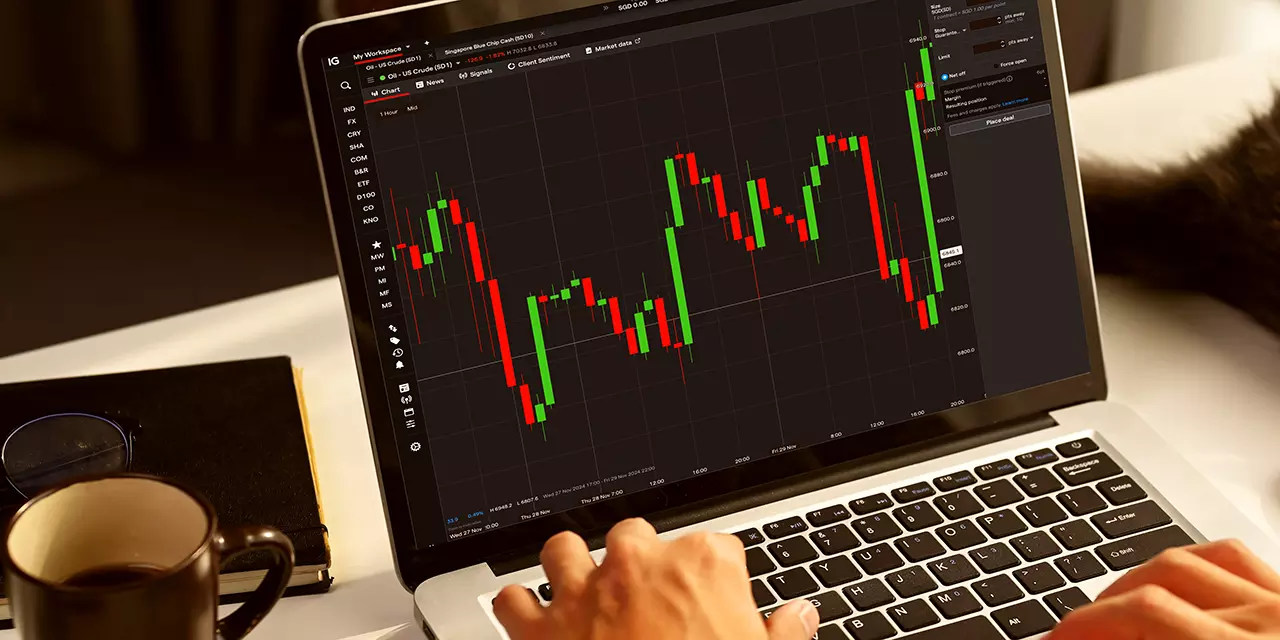
Trading is the practice of buying and selling financial instruments with the goal of generating profit from price movements. It plays a critical role in global financial markets, providing liquidity, price discovery, and opportunities for individuals and institutions alike. Whether approached as a profession or a side activity, trading demands discipline, knowledge, and risk awareness.
This article explores trading in a clear, structured way—covering how it works, the main types, essential strategies, risks, and how beginners can start responsibly.
What Is Trading?
At its core, trading involves speculating on the price movement of assets rather than owning them for long-term value alone. Traders aim to buy at lower prices and sell at higher prices, or profit from falling prices using advanced instruments.
Commonly traded assets include:
-
Stocks and equities
-
Forex (foreign exchange)
-
Commodities such as gold, oil, and agricultural products
-
Indices representing market performance
-
Cryptocurrencies
Unlike investing, which often focuses on long-term growth and fundamentals, trading is usually more short-term and tactical.
How Trading Works
Trading takes place through exchanges or electronic platforms where buyers and sellers interact. Prices fluctuate based on supply and demand, influenced by economic data, corporate performance, geopolitical events, and market sentiment.
Key elements of how trading works include:
-
Bid and ask prices determining entry and exit points
-
Orders such as market, limit, and stop orders
-
Liquidity, which affects how easily assets can be traded
-
Volatility, representing the speed and magnitude of price changes
Understanding these mechanics is essential before risking capital.
Major Types of Trading
Different trading styles suit different personalities, time commitments, and risk tolerances.
Day Trading
Day traders open and close positions within the same trading day. The goal is to capitalize on small price movements.
Characteristics:
-
High frequency of trades
-
Requires constant monitoring
-
Relies heavily on technical analysis
Swing Trading
Swing traders hold positions for several days or weeks to capture medium-term trends.
Characteristics:
-
Less time-intensive than day trading
-
Combines technical and fundamental analysis
-
Moderate risk exposure
Position Trading
Position trading involves holding trades for weeks, months, or longer.
Characteristics:
-
Focuses on broader market trends
-
Lower trading frequency
-
Requires patience and strong conviction
Scalping
Scalpers aim for very small profits on a large number of trades.
Characteristics:
-
Extremely short holding periods
-
Tight risk management
-
High execution speed required
Popular Trading Markets
Each market has unique features, risks, and opportunities.
-
Stock Market – Shares of publicly listed companies
-
Forex Market – Currency pairs traded globally, 24/5
-
Commodities Market – Physical goods and raw materials
-
Crypto Market – Digital assets with high volatility
Choosing the right market depends on capital size, risk appetite, and knowledge level.
Trading Strategies Explained
A trading strategy is a structured plan that defines when to enter and exit trades.
Technical Analysis
Technical traders study price charts and indicators to identify patterns.
Common tools include:
-
Moving averages
-
Support and resistance levels
-
RSI and MACD indicators
-
Chart patterns like triangles and head-and-shoulders
Fundamental Analysis
This approach evaluates economic data, financial statements, and news events.
Examples include:
-
Earnings reports
-
Interest rate decisions
-
Inflation and employment data
Risk Management Strategies
Risk control is what separates sustainable traders from gamblers.
Best practices include:
-
Using stop-loss orders
-
Risking only a small percentage per trade
-
Maintaining a favorable risk-to-reward ratio
-
Avoiding overtrading
Psychology and Discipline in Trading
Trading success depends as much on mindset as on strategy. Emotional decisions often lead to losses.
Common psychological challenges:
-
Fear of missing out
-
Overconfidence after wins
-
Panic selling during losses
Developing discipline involves following a plan, keeping a trading journal, and accepting losses as part of the process.
Pros and Cons of Trading
Understanding both sides helps set realistic expectations.
Advantages
-
Potential for high returns
-
Flexibility and independence
-
Opportunities in rising and falling markets
Disadvantages
-
High risk of financial loss
-
Emotional stress
-
Requires continuous learning and discipline
How Beginners Can Start Trading Safely
Starting small and learning gradually reduces unnecessary risk.
Steps for beginners:
-
Learn market basics and terminology
-
Practice with demo accounts
-
Choose a regulated trading platform
-
Start with low-risk strategies
-
Continuously review and improve performance
Trading is not a shortcut to wealth, but a skill developed over time.
Frequently Asked Questions (FAQs)
1. Is trading suitable for beginners with limited capital?
Yes, beginners can start trading with small amounts by choosing low-risk instruments and proper risk management.
2. How long does it take to become profitable in trading?
Profitability varies by individual, but most traders require months or years of consistent learning and practice.
3. Can trading be a full-time career?
Trading can become a full-time career, but it requires sufficient capital, experience, and emotional resilience.
4. What is leverage in trading?
Leverage allows traders to control larger positions with smaller capital, increasing both potential profits and losses.
5. Are automated trading systems reliable?
Automated systems can be useful but still require monitoring, testing, and risk controls.
6. What is the biggest mistake new traders make?
The most common mistake is risking too much money per trade without a clear strategy.
7. Do traders need to follow financial news daily?
Following key economic and market news helps traders anticipate volatility and make informed decisions.