

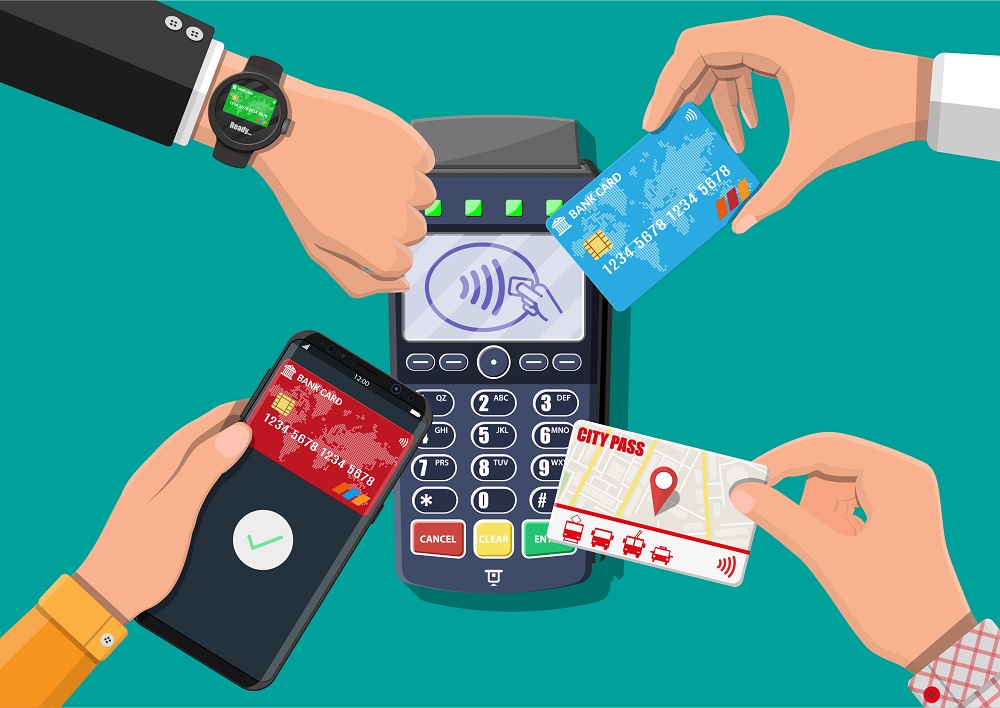
Digital payments are reshaping how people interact with money across the globe. From buying groceries to paying international vendors, cash is no longer the default choice. Technology-driven payment methods are transforming financial behavior, increasing convenience, and redefining the role of traditional money in everyday life.
The Shift From Cash to Digital Payments
For decades, physical cash dominated transactions. Today, digital payment systems are rapidly replacing cash-based exchanges due to speed, security, and accessibility.
Key drivers behind this shift include:
-
Widespread smartphone adoption
-
Growth of internet connectivity
-
Demand for faster and contactless transactions
-
Expansion of global e-commerce
As a result, traditional money usage is steadily declining in many regions.
Types of Digital Payment Methods
Digital payments come in several forms, each contributing to reduced reliance on physical currency.
Mobile Wallets
Mobile wallets allow users to store money digitally and make instant payments using smartphones.
Online Banking Transfers
Bank-to-bank digital transfers eliminate the need for cash handling and physical visits.
Contactless Card Payments
Tap-and-pay cards enable quick transactions without inserting cards or handling cash.
QR Code Payments
QR-based systems allow merchants and consumers to transact using simple scans.
Each method supports faster circulation of money with minimal physical interaction.
Impact on Traditional Money Usage
The rise of digital payments has significantly altered how traditional money is perceived and used.
Reduced Cash Dependency
Many consumers now carry little to no cash, relying entirely on digital alternatives.
Faster Money Circulation
Digital transactions move funds instantly, improving economic efficiency.
Increased Financial Transparency
Electronic records make tracking spending and income easier.
Decline of Cash-Only Businesses
Businesses are increasingly adopting digital systems to meet consumer expectations.
Traditional money still exists, but its role is becoming secondary in daily transactions.
Global Adoption Patterns
Digital payment adoption varies worldwide.
-
Developed economies are moving toward cashless societies
-
Developing nations use mobile payments to increase financial inclusion
-
Cross-border payments are becoming simpler and faster
In many regions, digital payments have provided access to financial systems for people previously excluded from traditional banking.
Benefits of Digital Payments
The transition offers advantages for both individuals and economies.
-
Convenience – transactions anytime, anywhere
-
Security – reduced theft and loss risks
-
Efficiency – quicker payments and reduced processing costs
-
Accessibility – easier entry into formal financial systems
These benefits accelerate the global move away from cash.
Challenges and Concerns
Despite their growth, digital payments are not without issues.
-
Cybersecurity threats and data privacy risks
-
Dependence on internet and electricity
-
Digital literacy gaps among populations
-
Concerns over surveillance and financial control
Balancing innovation with security remains a global priority.
The Future of Money in a Digital World
As digital payments become mainstream, money itself is evolving. Governments and financial institutions are exploring digital currencies, while consumers continue embracing cashless habits. Traditional money is unlikely to disappear entirely, but its role is clearly changing in favor of digital alternatives.
Frequently Asked Questions (FAQs)
Why are digital payments replacing cash globally?
They offer speed, convenience, security, and compatibility with modern lifestyles.
Are digital payments safer than using cash?
They reduce physical theft risks but require strong cybersecurity protections.
Do digital payments eliminate the need for banks?
No. Banks still play a key role in processing, regulation, and security.
How do digital payments help developing countries?
They improve financial inclusion by providing access without traditional banking infrastructure.
Will cash disappear completely in the future?
Unlikely. Cash may decline but will still serve specific needs and populations.
What role does technology play in digital payments?
Technology enables instant transfers, encryption, authentication, and global connectivity.
How can individuals adapt to a cashless economy?
By learning digital tools, practicing online security, and managing digital spending responsibly.