

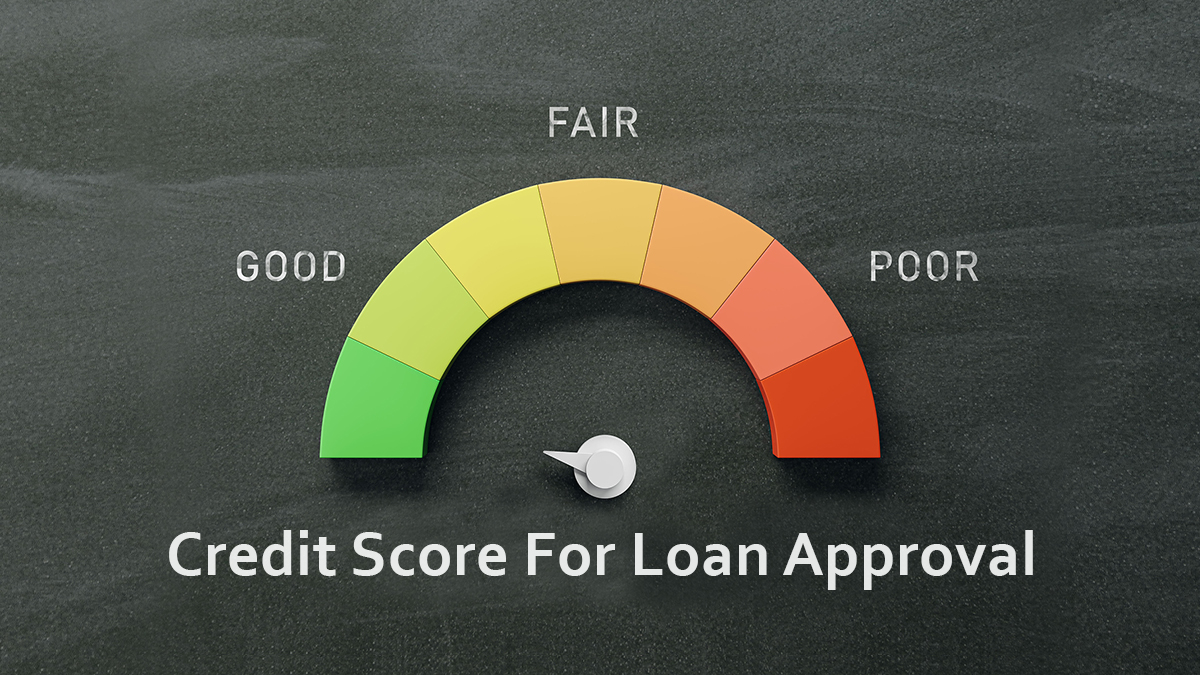
A credit score is one of the most influential factors in the loan approval process. It reflects a borrower’s creditworthiness and helps lenders assess the risk of lending money. A strong credit score not only improves approval chances but also plays a major role in determining the interest rate offered.
What Is a Credit Score?
A credit score is a numerical representation of a borrower’s credit history, based on past financial behavior.
It is calculated using factors such as:
-
Repayment history
-
Credit utilization ratio
-
Length of credit history
-
Types of credit used
-
Number of recent credit inquiries
Higher scores indicate responsible credit management, while lower scores signal higher lending risk.
Role of Credit Score in Loan Approval
Lenders rely heavily on credit scores to decide whether to approve or reject a loan application.
High Credit Score
Borrowers with high credit scores are considered low-risk.
-
Faster loan approvals
-
Higher eligibility limits
-
Better loan terms
Low Credit Score
A low score suggests repayment risk.
-
Higher chances of rejection
-
Lower approved loan amounts
-
Stricter eligibility conditions
In some cases, lenders may still approve loans but with additional requirements like guarantors.
Impact of Credit Score on Interest Rates
Interest rates are directly linked to credit score levels.
-
High credit score borrowers receive lower interest rates
-
Average credit score borrowers get moderate rates
-
Low credit score borrowers face higher interest rates
Lenders charge higher interest to compensate for the increased risk associated with low credit scores.
Credit Score Ranges and Their Effects
Different score ranges lead to different borrowing outcomes.
-
Excellent score – Best interest rates and premium offers
-
Good score – Competitive rates and smooth approval
-
Fair score – Limited options with higher rates
-
Poor score – Difficult approval and costly borrowing
Even a small improvement in score can result in noticeable interest savings.
How Credit Score Affects Loan Tenure and Flexibility
Beyond approval and interest rates, credit score influences loan flexibility.
-
Longer repayment tenures for high-score borrowers
-
Lower processing fees and charges
-
Easier access to prepayment and foreclosure options
Low-score borrowers may face rigid repayment terms and penalties.
Ways to Improve Credit Score Before Applying for a Loan
Improving credit score increases approval chances and reduces borrowing costs.
-
Pay EMIs and credit card bills on time
-
Keep credit utilization below recommended limits
-
Avoid multiple loan applications at once
-
Check credit reports regularly for errors
Consistent financial discipline leads to gradual but steady improvement.
Why Lenders Trust Credit Scores
Credit scores provide lenders with a standardized, data-driven method to assess borrower reliability. They reduce uncertainty and help lenders price loans fairly based on individual risk profiles.
Conclusion
Credit score significantly impacts both loan approval and interest rates. A higher score opens the door to affordable borrowing, while a lower score increases costs and limits options. Maintaining a healthy credit score is essential for securing favorable loan terms and long-term financial stability.
Frequently Asked Questions (FAQs)
1. What is the minimum credit score required for loan approval?
Most lenders prefer a score of 650 or higher, though requirements vary by loan type.
2. Can I get a loan with a low credit score?
Yes, but it may come with higher interest rates or stricter conditions.
3. How long does it take to improve a credit score?
Significant improvement usually takes several months of consistent repayment behavior.
4. Does checking my credit score lower it?
No, checking your own score is considered a soft inquiry and does not affect it.
5. Can a good credit score guarantee loan approval?
Not always. Income, employment stability, and existing debt also matter.
6. How often should I check my credit report?
At least once every few months to monitor accuracy and detect errors.
7. Does closing old credit accounts affect credit score?
Yes, it can reduce credit history length and may temporarily lower the score.