

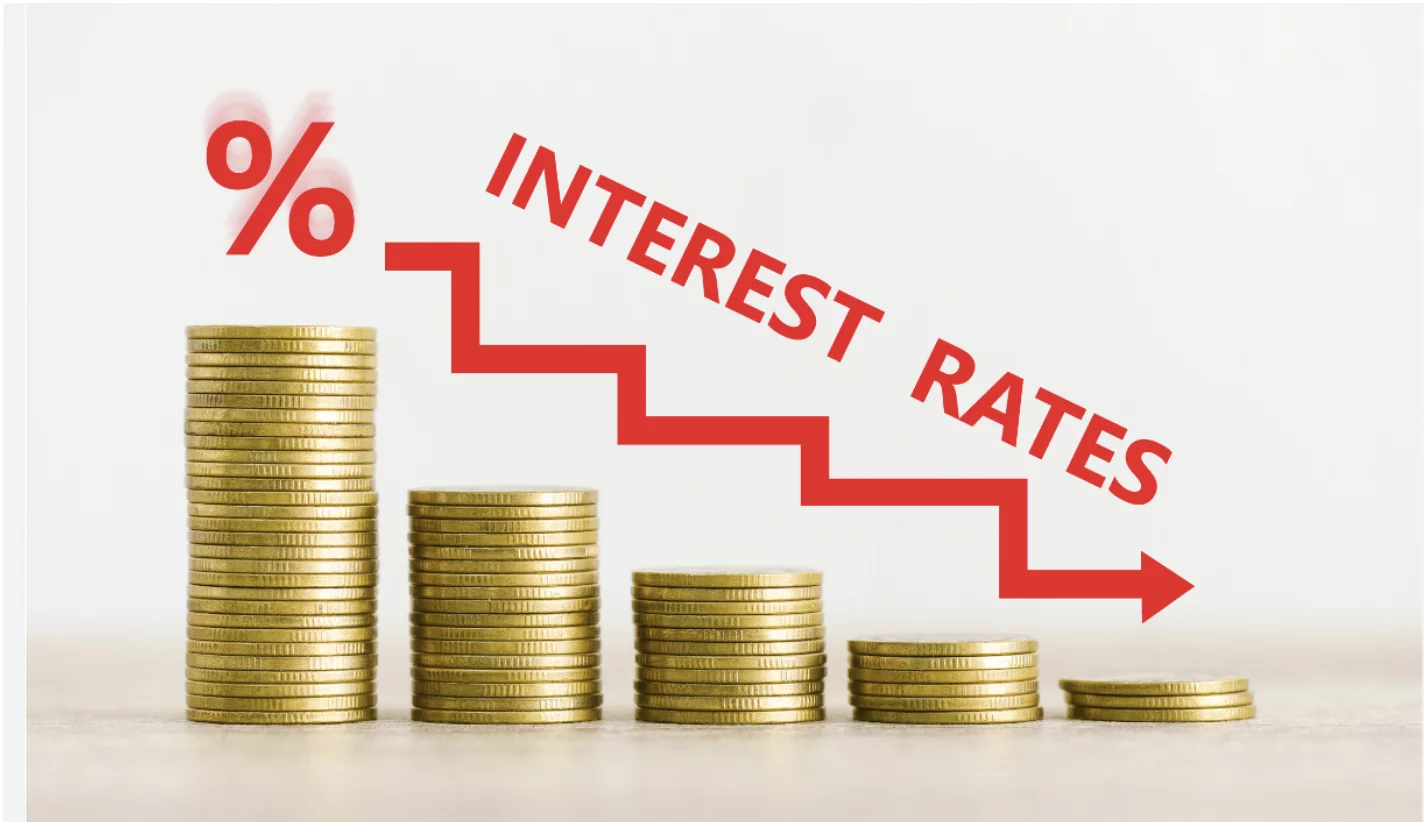
Loan interest rates play a decisive role in determining how much you ultimately repay to a lender. Even a small difference in interest rates can significantly impact the total repayment amount over time. Understanding this relationship helps borrowers choose loans wisely and avoid unnecessary financial burden.
Understanding Loan Interest Rates
An interest rate is the percentage charged by a lender on the principal loan amount. It represents the cost of borrowing and is applied over the loan tenure.
Interest rates are influenced by factors such as:
-
Credit score
-
Market conditions
-
Loan type and tenure
-
Borrower’s income stability
Higher interest rates increase the overall repayment, while lower rates reduce the total cost of borrowing.
How Interest Rates Increase Total Repayment
The total repayment amount includes both the principal and the interest paid over time. As interest rates rise, a larger portion of each installment goes toward interest rather than reducing the principal.
Key effects include:
-
Higher monthly installments (EMIs)
-
Slower reduction of the principal balance
-
Increased total interest paid over the loan tenure
Even a 1–2% increase in interest rate can add a substantial amount to long-term loans.
Simple Interest vs Compound Interest
Different interest calculation methods affect repayment differently.
Simple Interest
Interest is calculated only on the principal amount.
-
Lower total interest
-
Common in short-term loans
Compound Interest
Interest is calculated on the principal plus accumulated interest.
-
Higher total repayment
-
Common in long-term loans and credit facilities
Loans with compound interest generally cost more over time compared to simple interest loans.
Impact of Loan Tenure on Interest Costs
Loan tenure and interest rates are closely connected.
-
Longer tenure lowers monthly EMIs but increases total interest paid
-
Shorter tenure raises EMIs but reduces overall repayment
Borrowers often choose longer tenures for affordability, unknowingly paying more interest in the long run.
Fixed vs Floating Interest Rates
Interest rate structure also affects repayment predictability.
-
Fixed interest rates remain constant, offering stable EMIs
-
Floating interest rates change with market conditions, which may increase or decrease total repayment
While floating rates can be cheaper initially, they carry the risk of rising repayment costs.
Example of Interest Rate Impact
A higher interest rate doesn’t just increase payments slightly—it compounds over time.
-
Lower rate loans save money over the full tenure
-
Higher rate loans significantly raise lifetime repayment
-
Long-term loans magnify interest differences more than short-term loans
This makes interest rate comparison essential before loan approval.
Ways to Reduce Interest Burden
Borrowers can take proactive steps to minimize total repayment.
-
Maintain a strong credit score
-
Opt for shorter loan tenure if affordable
-
Make prepayments when possible
-
Compare multiple lenders before finalizing
Small adjustments can result in substantial long-term savings.
Conclusion
Loan interest rates directly determine how much you repay beyond the borrowed amount. Understanding how rates interact with tenure, interest type, and repayment structure empowers borrowers to make financially sound decisions. Choosing the right interest rate can save thousands over the life of a loan.
Frequently Asked Questions (FAQs)
1. Why do small interest rate changes matter so much?
Because interest accumulates over time, even minor rate differences can significantly increase total repayment.
2. Does a longer loan tenure always mean higher interest?
Yes, longer tenures usually result in more interest paid overall, even if EMIs are lower.
3. Are fixed interest rate loans better than floating ones?
Fixed rates offer stability, while floating rates may be cheaper initially but involve market risk.
4. Can prepayment reduce total interest?
Yes, prepaying reduces the outstanding principal, lowering interest accumulation.
5. How does credit score affect interest rates?
A higher credit score often qualifies borrowers for lower interest rates.
6. Is compound interest always bad for borrowers?
Not always, but it generally increases repayment compared to simple interest loans.
7. Should I prioritize interest rate or EMI amount?
Interest rate should be a priority, as lower rates reduce total repayment even if EMIs vary.