

Navigating financial markets requires more than intuition and raw ambition. Modern financial exchanges move at microsecond speeds, driven by institutional algorithms, complex macroeconomic forces, and massive volumes of data. To compete effectively, retail and independent traders need a structured technological setup.
The right toolkit sharpens market analysis, speeds up trade execution, enforces risk management rules, and builds long-term accountability. Equipping yourself with the right analytical platforms, execution interfaces, and operational software creates a professional workflow that turns disorganized market interaction into a systematic, repeatable business.
Advanced Charting and Technical Analysis Platforms
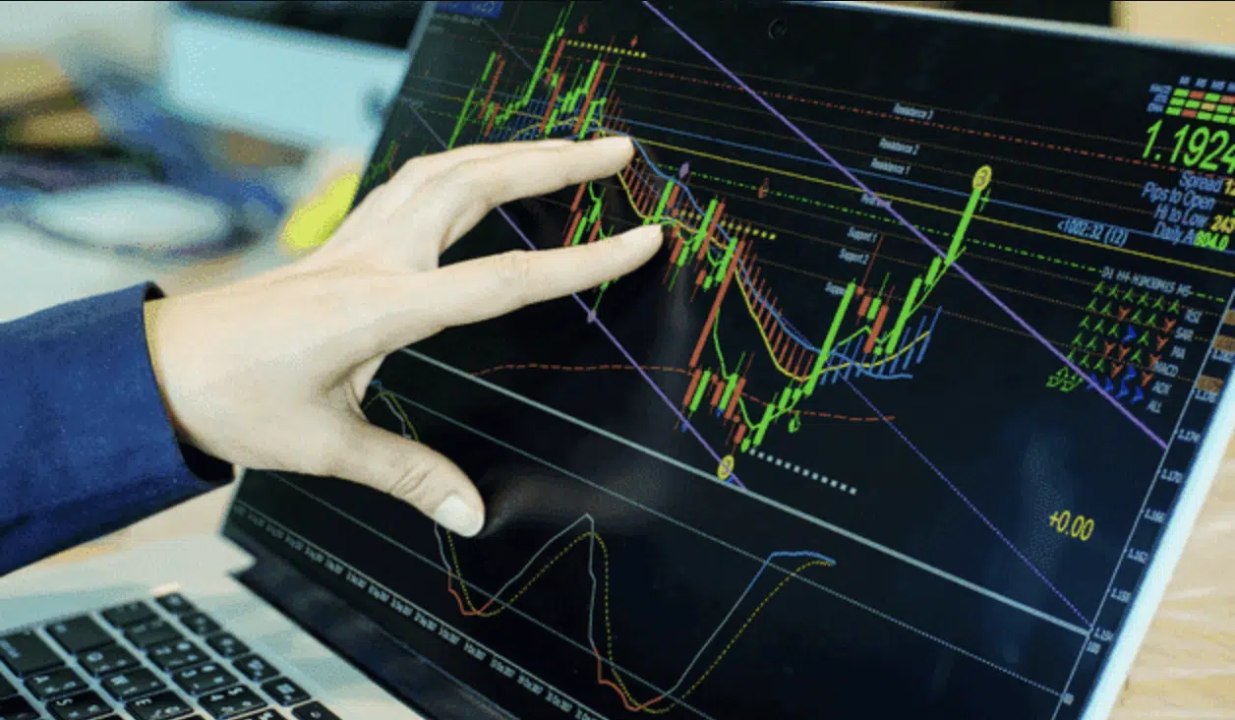
At the center of any technical strategy lies the charting interface. High-grade charting software translates raw order flow and historical pricing into clean visual representations, allowing traders to identify structural imbalances, support and resistance zones, and volatility shifts.
Key features to look for in a charting platform include:
-
Multi-Timeframe Synchronization: The ability to link multiple layout windows across various time intervals, from monthly macro charts down to tick-by-tick order flow data.
-
Extensive Indicator and Drawing Suites: Access to standard tools such as moving averages, volume profiles, and trend channels, along with customizable scripting engines to build proprietary indicators.
-
Cloud Syncing and Portability: Cross-device synchronization that allows desktop layouts, customized templates, and price alerts to carry over to mobile devices.
-
Replay and Historical Bar Modes: Simulated historical replay capabilities that allow operators to practice execution on past data without risking capital.
Dedicated software like TradingView, TrendSpider, and platform-native systems like thinkorswim provide deep analytical capability. Choosing a system with low latency and clean rendering ensures you make decisions based on precise pricing rather than lagged charting data.
Market Scanners and Stock Screeners
Financial markets encompass thousands of tradeable equities, futures contracts, options, and currency pairs. Finding valid setups manually by clicking through individual tickers is inefficient and leads to missed opportunities. Market scanners filter the entire financial universe in real time, serving up only the assets that match specific strategy parameters.
Effective scanners operate across two primary dimensions:
Pre-Market Fundamental and News Filters
Pre-market screeners identify catalysts before the opening bell rings. Traders look for earnings surprises, corporate guidance revisions, regulatory approvals, or major macroeconomic announcements. Filtering by relative pre-market volume and percentage gap reveals which assets hold institutional attention for that specific session.
Real-Time Intraday Technical Filters
During active market hours, dynamic scanners pinpoint momentum events as they unfold. Common filters isolate unusual volume surges, new session highs, specific candlestick formations, or moving average crossovers. Dedicated scanning software such as Trade Ideas or Finviz allows operators to customize multi-variable alerts, ensuring attention remains focused on the highest-probability opportunities.
Direct Market Access Brokers and Execution Terminals
A well-researched trade idea holds little value if execution is slow or burdened by poor fill prices. The quality of your brokerage platform and order execution engine directly impacts net profitability, especially for intraday scalpers and short-term swing traders.
-
Direct Market Access (DMA): DMA routing allows traders to bypass intermediary market makers and send orders directly to specific electronic communication networks or exchange order books. This provides faster fills and greater transparency into bid and ask queues.
-
Level 2 Data and Depth of Market (DOM): While standard charts show historical trades, Level 2 feeds display the resting order book across multiple price tiers. Viewing market depth helps identify institutional support walls, hidden liquidity, and real-time buying or selling pressure.
-
Hotkeys and Fast Order Entry: Advanced execution platforms, such as Interactive Brokers Trader Workstation or Lightspeed, let traders map complex bracket orders, scale-out functions, and cancellation triggers directly to keyboard shortcuts. This removes manual mouse clicking and reduces entry delay down to milliseconds.
Automated Trading Journals and Performance Analytics
A common flaw among unprofitable market participants is treating trading as a series of isolated events rather than an evolving business. A trading journal provides the data tracking required to identify what is actually making money versus what is quietly draining the account.
Modern automated journaling software connects via application programming interface to your brokerage accounts, automatically importing every execution price, timestamp, and position size.
Platforms such as TraderSync and TradeZella provide deep analytical metrics, including:
-
Expectancy and Profit Factor: Clear statistical measures showing the dollar return generated for every dollar risked across distinct setups.
-
Tagging and Setup Categorization: Tagging trades by strategy type, market condition, or emotional state to reveal which specific setups generate consistent profits and which create recurring losses.
-
Time and Day Performance Analysis: Granular breakdowns showing which days of the week or hours of the trading session yield the highest win rates.
-
Mistake Tracking: Quantifying the exact dollar cost of behavioral errors, such as chasing entries, moving protective stops, or overtrading past daily limits.
Real-Time News Feeds and Macroeconomic Calendars
Asset prices react instantly to breaking news, economic reports, and central bank commentary. Relying on mainstream consumer news feeds creates a substantial information delay, as public outlets often publish stories long after institutional desks have priced in the information.
Dedicated financial squawk services and real-time news terminals, such as Benzinga Pro or Bloomberg, deliver immediate audio and text updates the second headlines cross the wire.
In addition, an up-to-date macroeconomic calendar is an essential planning tool. Knowing the exact release times for Consumer Price Index figures, Non-Farm Payrolls, Federal Open Market Committee rate decisions, and Treasury auctions prevents traders from holding oversized positions through unpredictable, high-volatility events.
Options and Derivative Analytics Software
For derivative traders, standard stock charts tell only part of the story. Options contracts require specialized tools to calculate non-linear risk, price decay, and implied volatility surfaces.
Specialized derivative platforms allow operators to:
-
Track Unusual Options Activity: Monitor institutional sweeps and block trades in the options market that often precede significant directional moves in underlying equities.
-
Analyze Implied Volatility (IV) Rank and Percentile: Determine whether options premiums are historically cheap or expensive, helping traders decide whether to buy net premium or sell credit spreads.
-
Model Greek Sensitivity: Visualize how changes in time decay (Theta), underlying price moves (Delta and Gamma), and volatility shifts (Vega) will alter total position value across complex multi-leg option spreads.
Building a Unified Trading Workflow
The most effective trading setup does not require buying every piece of software on the market. Instead, it relies on selecting a streamlined set of tools that complement your specific style and asset class.
By anchoring your routine around clear charting, targeted screening, rapid execution routing, and thorough post-session journaling, you eliminate guesswork and build a disciplined, repeatable operational framework designed for long-term consistency.
Frequently Asked Questions
Is it necessary to pay for premium market tools when starting with a small account?
No, beginners do not need expensive software subscriptions to learn market mechanics. Many reputable brokerages offer free charting software, integrated Level 2 data feeds, and basic market scanners with a standard funded account. Paid premium tools become worth the investment once your strategy is consistent and advanced features directly improve execution speed or time efficiency.
What is the difference between a web-based charting tool and a desktop-installed platform?
Web-based charting tools run inside a standard browser and store layouts on cloud servers, making them accessible from any computer without local file management. Desktop-installed platforms run directly on your computer hardware, utilizing local processors and dedicated memory to deliver faster tick updates, lower rendering latency, and deeper custom coding capabilities for active intraday trading.
How does using multiple monitors improve a trader’s efficiency?
Multiple monitors allow a trader to keep critical tools visible simultaneously without switching tabs or minimizing active windows. An optimal layout typically dedicates one screen to execution and Level 2 books, a second to primary analytical charts across multiple timeframes, and a third to live market scanners, news feeds, and economic calendars.
What is an economic calendar squawk service, and how does it work?
A squawk service is a live audio broadcast run by professional market commentators who read breaking financial news, economic data releases, and unusual order flow updates out loud in real time. This allows traders to keep their eyes fixed on price action while instantly hearing breaking news without having to scan written feeds manually.
Why do some professional traders rely on dedicated trade simulation platforms before using real capital?
Simulation software replicates real-time market execution without financial risk, allowing traders to test statistical setups, refine hotkey mechanics, and adapt to shifting market volatility. Professional platforms provide realistic fills that account for order queue priority, spread slippage, and trading commissions, offering a realistic testing ground.
How does Application Programming Interface (API) integration benefit daily trading workflows?
An API allows different software applications to communicate and transfer data automatically. By linking your brokerage via API to third-party tools, your execution data flows instantly into your journaling software, and third-party algorithmic screeners can send automated order triggers straight to your broker without manual intervention.
What hardware specifications matter most when building a dedicated trading computer?
Processing speed (high single-core clock speeds) and system memory (RAM) are the most critical specifications for a trading computer. Complex charting platforms, live scanners, and multiple browser windows process thousands of data points per second, requiring strong multi-threading capabilities and at least 16 to 32 gigabytes of RAM to prevent terminal freezing during high-volume market events.